Page | 003 PROJECT DESCRIPTION
This study provides a detailed characterization of gaseous and particulate emissions from Lithium-ion batteries (36V 12Ah) containing 50 cylindrical cells subjected to thermal runaway via overcharging. These batteries are widely used in electric scooters and similar consumer products. All batteries were of Lithium-ion Nickel Manganese Cobalt (Li-NMC) chemistry.
Three tests were conducted, all with identical parameters. The Li-NMC batteries were forced into thermal runaway via overcharging. The Battery Management System (BMS) was bypassed to allow overcharging to occur. Testing was conducted inside a blast chamber with thermocouples affixed to the batteries to monitor battery surface temperatures before and during thermal runaway. High-speed cameras were also used to capture the thermal runaway event, in conjunction with Forward Looking Infrared (FLIR) technology to monitor internal battery temperatures.
Byproducts of the Li-ion battery fires were collected during testing and analysis, utilizing real-time measurements via Fourier Transform Infrared Spectroscopy (FTIR), Particle Size Distribution, Particulate Soot Mass, Semi-Volatile Organic Compounds (SVOC) and Metallic Compounds.
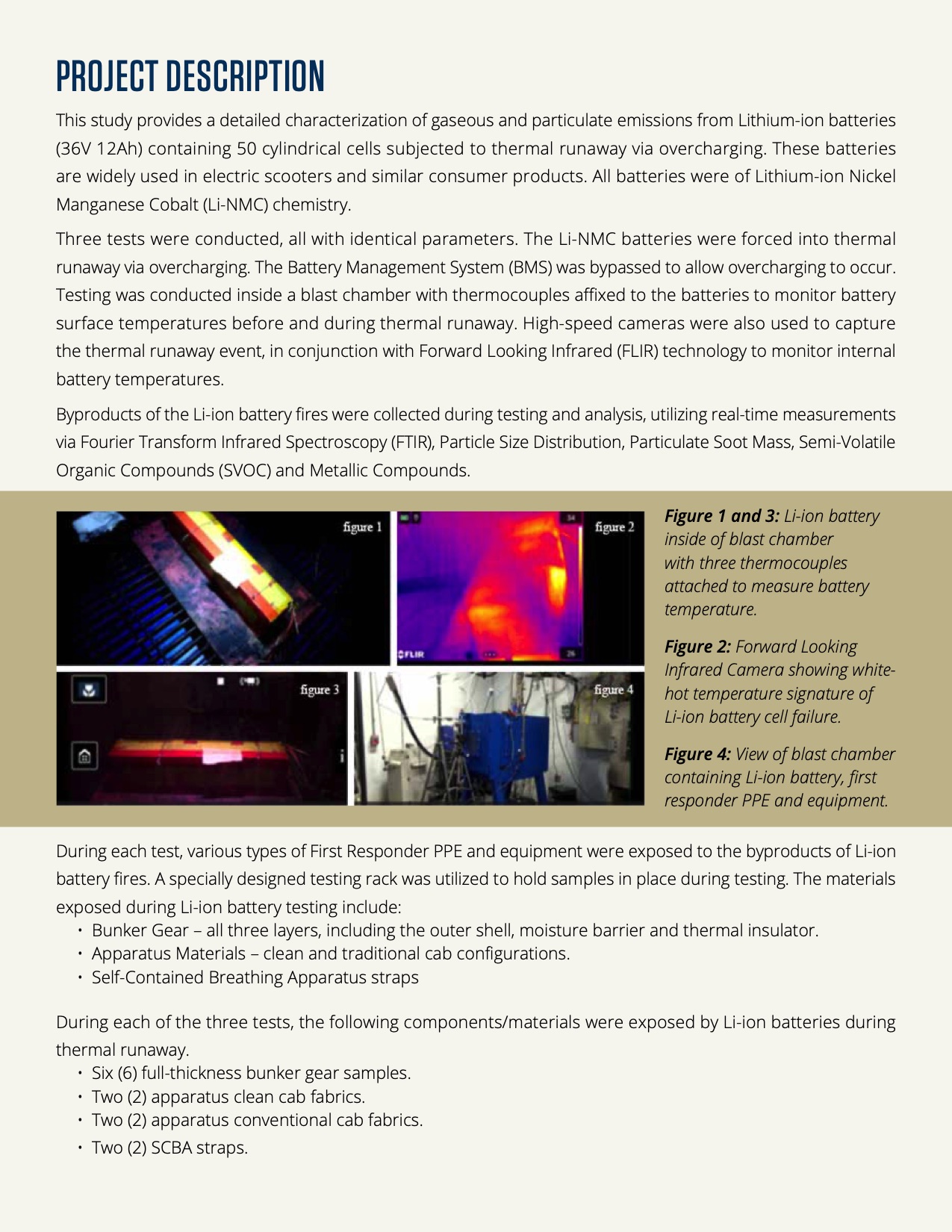
Figure 1 and 3: Li-ion battery inside of blast chamber
with three thermocouples attached to measure battery temperature.
Figure 2: Forward Looking Infrared Camera showing white- hot temperature signature of Li-ion battery cell failure.
Figure 4: View of blast chamber containing Li-ion battery, first responder PPE and equipment.
During each test, various types of First Responder PPE and equipment were exposed to the byproducts of Li-ion
battery fires. A specially designed testing rack was utilized to hold samples in place during testing. The materials
exposed during Li-ion battery testing include:
• Bunker Gear – all three layers, including the outer shell, moisture barrier and thermal insulator. • Apparatus Materials – clean and traditional cab configurations.
• Self-Contained Breathing Apparatus straps
During each of the three tests, the following components/materials were exposed by Li-ion batteries during
thermal runaway.
• Six (6) full-thickness bunker gear samples. • Two (2) apparatus clean cab fabrics.
• Two (2) apparatus conventional cab fabrics.
• Two (2) SCBA straps.
|
